
Types of Soil and Their Suitability for Construction
Soil is classified into different types based on its composition, and each type has distinct properties that affect its suitability for construction. Below are some common soil types found in Colorado and their implications for building:
Clay Soil: Clay is a fine-grained soil that can be challenging for construction. It expands when wet and contracts when dry, leading to potential instability in the foundation. Clay soil has low permeability, which means it holds water, potentially leading to drainage issues. When building on clay, proper drainage systems are necessary to mitigate these risks.
Sandy Soil: Sandy soil is composed of larger particles and has better drainage than clay. This type of soil is easier to work with and provides good support for foundations. However, because sandy soil does not retain water well, it may require additional stabilization techniques, especially in areas prone to erosion.
Silty Soil: Silt is a fine-grained soil, like clay, but it has better drainage properties. It retains moisture without becoming overly saturated, making it more stable than clay. However, silty soil can still be prone to shifting, particularly in areas with heavy rainfall, so proper foundation reinforcement is recommended.
Loam Soil: Loam is a balanced mixture of sand, silt, and clay, making it one of the best soils for construction. It has good drainage, adequate moisture retention, and sufficient stability to support structures. Loam is often considered ideal for building foundations due to its balance of properties.
Gravel and Crushed Stone: Gravel and crushed stone provide excellent drainage and stability, making them ideal for foundation work. These materials are often used as a base layer in foundation construction to improve load-bearing capacity and prevent water accumulation.
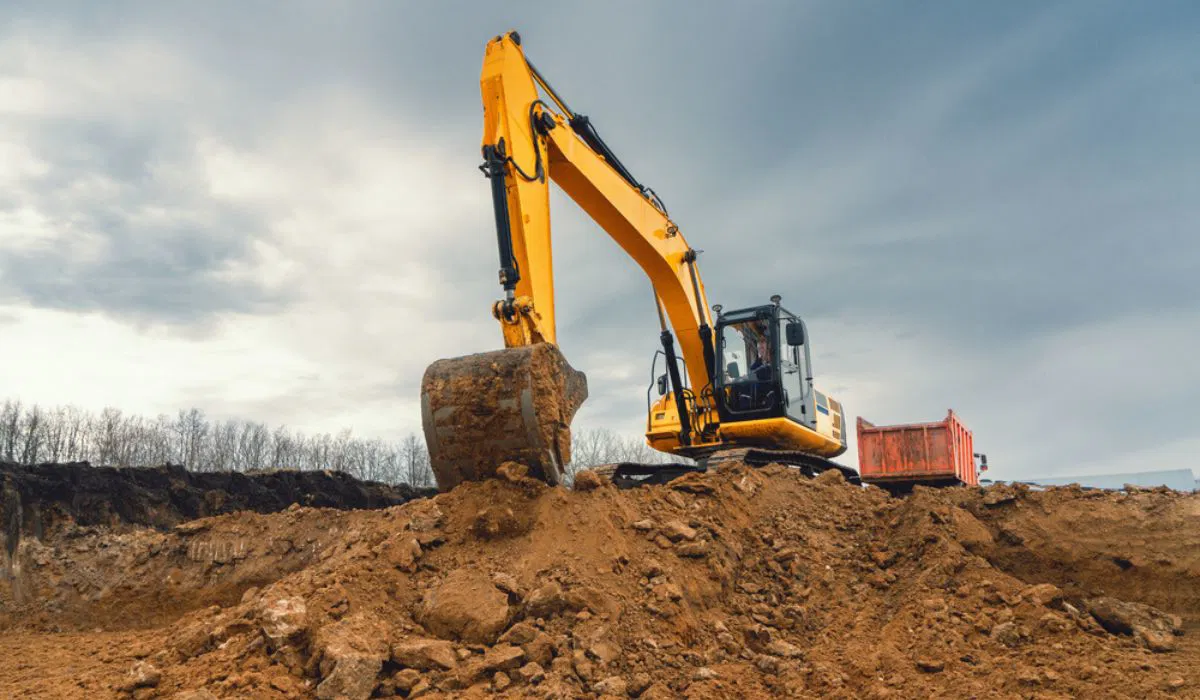
Rocky Soil: In Colorado, rocky soil is common, particularly in mountainous regions. Rocky soil offers excellent stability but can be difficult to excavate. Foundations built on rocky soil are generally very stable, but the cost of excavation and preparation can be higher.
Soil Testing and Site Preparation
Before beginning construction, it is essential to conduct soil testing to determine the type of soil at the site. Soil testing provides critical information about the soil’s composition, moisture content, and load-bearing capacity. Based on the results, appropriate foundation designs and construction techniques can be selected to ensure the stability of the building.
In Hudson, Colorado, local regulations may require specific soil tests depending on the size and type of the construction project. Soil testing also helps identify any potential issues, such as the presence of expansive clay or the need for additional drainage systems. Proper site preparation, including grading and soil compaction, is crucial to address these issues and create a stable foundation.
Soil Considerations in Colorado
Colorado’s diverse landscape includes a wide range of soil types, from the clay-heavy soils of the plains to the rocky terrains of the mountains. The state’s semi-arid climate also influences soil conditions, with seasonal variations in moisture content affecting soil stability. In areas like Hudson, where the soil composition can vary significantly, understanding the local soil types is essential for successful construction.
Expansive clay soils are common in Colorado and can pose challenges for builders. These soils expand when they absorb moisture, causing foundations to shift and crack. To address this, builders may need to implement special foundation designs, such as pier and beam systems, or use moisture control techniques to reduce the risk of soil expansion.
Rocky soils, while providing excellent stability, can be challenging to excavate and may require specialized equipment and techniques. Builders in Colorado often encounter bedrock close to the surface, necessitating careful planning and preparation to ensure that the foundation is properly anchored.
How Strata Excavation Can Help
Strata Excavation, based in Hudson, Colorado, offers expert excavation services tailored to the specific soil conditions of the region. With a deep understanding of local soil types and construction challenges, Strata Excavation ensures that each project begins with a stable foundation. The company provides comprehensive soil testing and site preparation services, including grading, compaction, and drainage solutions. Whether you are building on clay, sand, or rocky terrain, Strata Excavation has the experience and equipment to handle any project with precision.
If you are planning a construction project in Hudson or the surrounding areas, Strata Excavation can help you navigate the complexities of local soil conditions, ensuring that your foundation is strong and durable from the start.