
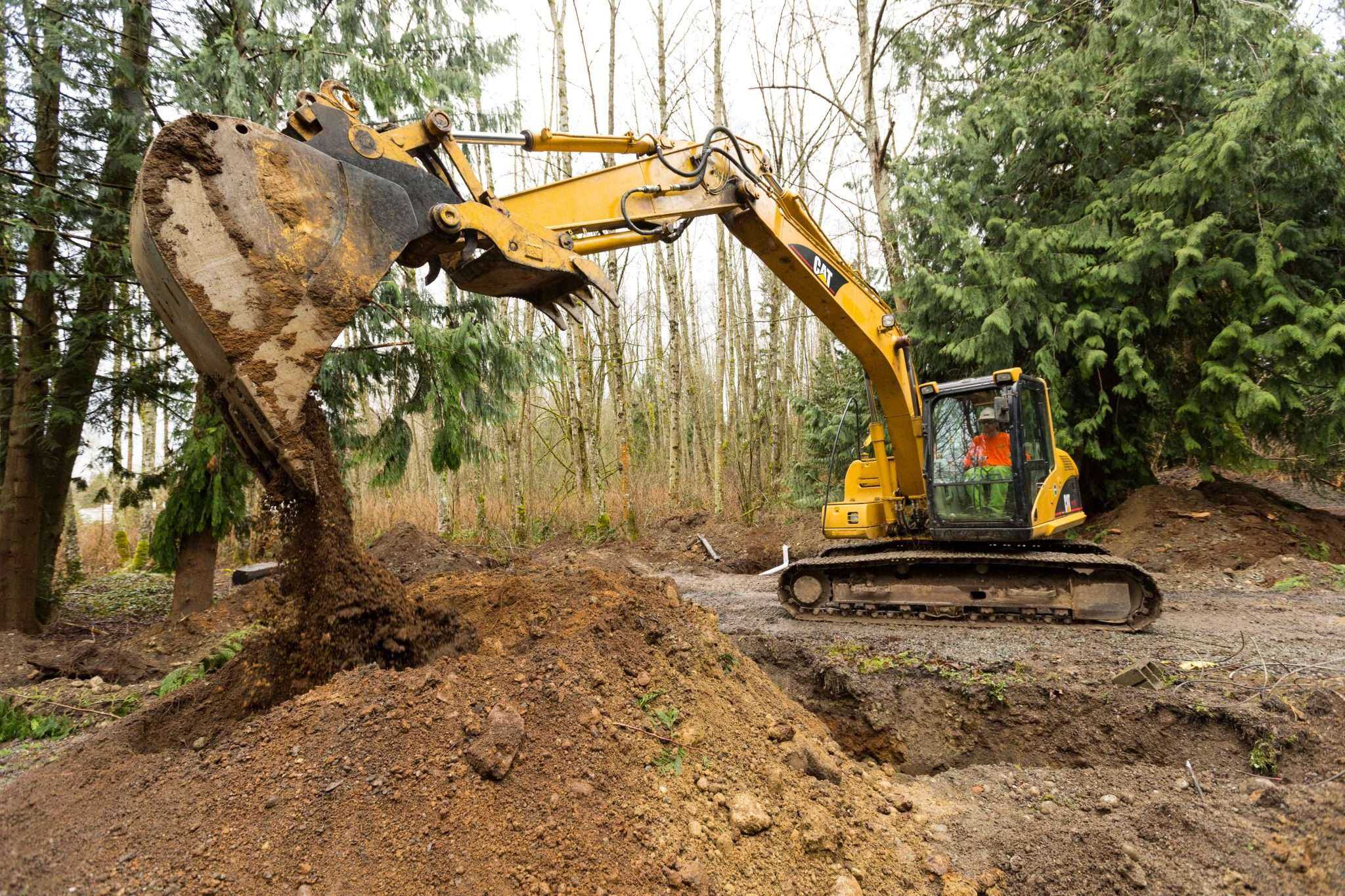
 Excavation in construction refers to the process of removing earth, rock, or other materials from a site to create a foundation for buildings, roads, or other infrastructure. This process is a crucial step in the construction industry, as it prepares the land for the building phase. Excavation involves digging, trenching, and other earth-moving activities to ensure that the site is level, stable, and ready for the next stages of construction.
The Role of Excavation in Construction
Excavation is one of the first steps in most construction projects. It is necessary to remove any unsuitable materials, such as topsoil or debris, and to create a stable foundation that can support the structure’s weight. Without proper excavation, a building could face issues such as settling, shifting, or even structural failure.
Excavation also includes the creation of trenches for utility lines, the removal of old foundations, and the preparation of the site for landscaping. The scope of excavation work can vary depending on the project, but it is always essential for ensuring that the construction proceeds on solid ground.
Types of Excavation
There are several types of excavation, each suited to different construction needs:
Topsoil Excavation: This involves removing the upper layer of soil, which typically contains organic material. Topsoil is often removed because it is not stable enough to support a structure’s foundation.
Earth Excavation: This type involves removing soil that lies beneath the topsoil. Earth excavation is necessary for creating foundations, roadways, or other structures that require a stable base.
Rock Excavation: Rock excavation is required when the site contains solid rock. This process often involves blasting or using heavy machinery to break the rock into smaller pieces.
Muck Excavation: Muck refers to a combination of water and soil, often found in marshy areas. Muck excavation involves removing this material to create a stable foundation.
Trench Excavation: Trenching is used to create narrow, deep cuts in the ground for utility lines, such as water, gas, or sewer pipes.
Basement Excavation: This type of excavation is used to create space for basements or other below-ground structures. It requires precise planning and execution to ensure the surrounding soil remains stable.
The Excavation Process
The excavation process typically involves several steps:
Site Surveying: Before excavation begins, the site is surveyed to determine the boundaries, elevations, and any potential obstacles. This information is used to create a detailed plan for the excavation work.
Clearing the Site: The site is cleared of vegetation, debris, and any existing structures that may obstruct the excavation.
Excavation: The actual excavation begins, with heavy machinery used to remove soil, rock, or other materials. The depth and extent of the excavation depend on the project’s requirements.
Grading and Compaction: After the excavation, the site is graded to create a level surface. The soil is then compacted to provide a stable foundation for construction.
Erosion Control: Measures are implemented to prevent soil erosion during and after excavation. This may include installing silt fences, retaining walls, or other barriers.
Final Inspection: Once the excavation is complete, the site is inspected to ensure it meets safety and engineering standards. Any necessary adjustments are made before construction begins.
Importance of Excavation in Hudson, Colorado
In Hudson, Colorado, the importance of proper excavation cannot be overstated. The local soil and terrain can vary, making it essential to understand the specific conditions of the site. Colorado’s semi-arid climate, with its seasonal variations in moisture, can affect soil stability, particularly in areas with expansive clay soils or rocky terrain.
For construction projects in Hudson, excavation plays a vital role in ensuring the long-term stability and safety of the structures being built. Whether the site is located on a rocky outcrop or in a flat area with clay-heavy soil, the excavation process must be tailored to the local conditions to achieve the best results.
How Strata Excavation Can Help
Strata Excavation, based in Hudson, Colorado, specializes in providing excavation services tailored to the unique needs of local construction projects. With extensive experience in the region, Strata Excavation understands the challenges posed by Colorado’s diverse soil and terrain. The company offers comprehensive excavation services, including site surveying, trenching, grading, and erosion control. By partnering with Strata Excavation, you can ensure that your construction project begins with a stable foundation, tailored to the specific conditions of your site.
If you are planning a construction project in Hudson or the surrounding areas, Strata Excavation is equipped to handle all your excavation needs, ensuring that your project starts on solid ground.